Caring For Your Alaskan Dog
A quick guide to caring for your pups.
Malamute
Diet
Providing proper nutrition is key to keeping your Alaskan Malamute healthy both on the inside and outside. This means picking a nutritionally complete and balanced formula tailored to your dog’s specific needs, like how old they are (puppy, adult, or senior) and their weight. Some dogs need a particular kind of food because of health issues like, for example, kidney conditions, joint conditions, and obesity.
It also means feeding appropriate portion sizes to prevent the dog from becoming overweight or underweight. If you aren’t sure which formula would be right for your Alaskan Malamute, speak to your vet. On that note, some people prepare their own dog food at home, but it’s challenging to strike the right nutritional balance with homemade food, so this should only be done under veterinary guidance.
Exercise
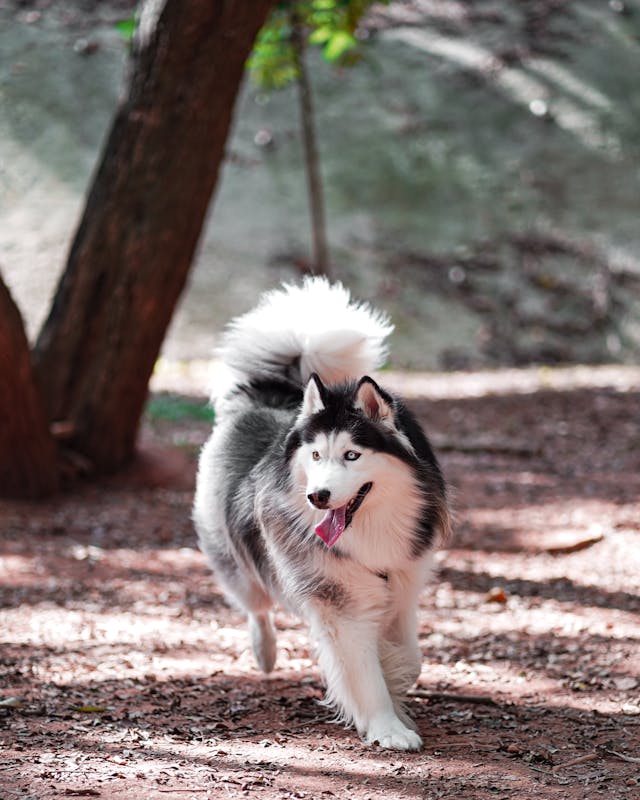
Alaskan Malamutes need a moderate-high amount of daily exercise. You can provide this by walking your Malamute a couple of times a day and giving them free-roaming time in a secure area. They also love to get some energy out with play sessions and are easily pleased when it comes to the type of exercise you do with them. In addition to walking, you can take your Malamute on hikes and jogs when they’re fully grown.
Source:https://www.dogster.com/dog-breeds/alaskan-malamute
Chinook
Diet:
The best diet for a Chinook is one that’s complete and balanced for their life stage and energy needs. The exact food you choose will depend on their age, size, and activity level. Your veterinarian can make recommendations for food, including how much and what type to feed, based on your pup’s health status.
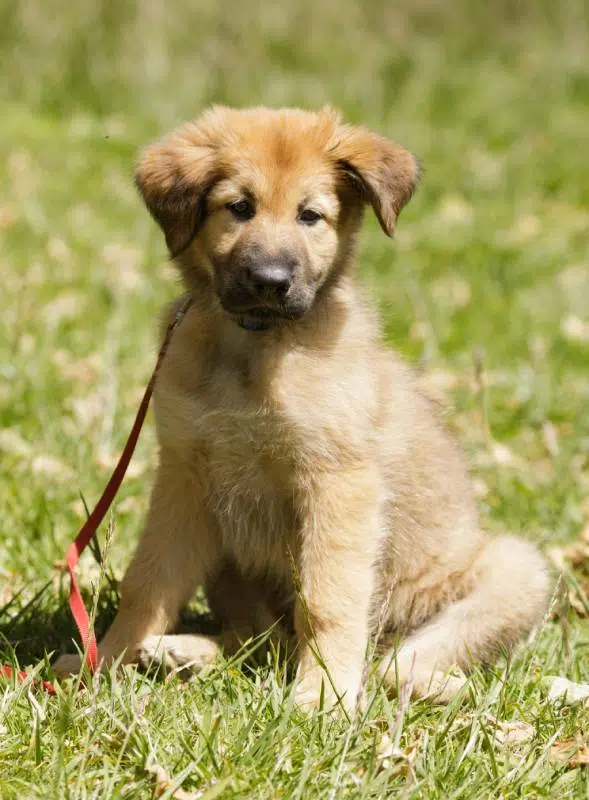
Puppies should be fed food formulated for large breed puppies as it encourages slow growth. This food will have the proper balance of calcium, phosphorus, fat, and calories to ensure your Chinook grows at an appropriate rate and will be less likely to develop orthopedic diseases like hip or elbow dysplasia.
Exercise:
Though they are born and bred working dogs, Chinooks are not particularly busy, nor are they workaholics. They don’t require a ridiculous amount of exercise, and as long as they’re given outlets for physical and mental activity, they’ll be happy settling beside you on the sofa at the end of the day.
Chinooks need 30 to 60 minutes of exercise every day. They enjoy going for walks and running in secure areas, like fenced-in dog parks.
If your pup still appears to have a lot of energy to burn after you exercise them, you might consider signing them up for pulling activities like sledding since that’s what this breed was born to do. Chinooks can also excel in carting, obedience, agility, and search-and-rescue work.
Source: https://www.dogster.com/dog-breeds/chinook
Alaskan Husky
Grooming:
These fluffy canines do not have an extensive list of grooming needs. They will need their teeth brushed (with dog-safe toothpaste) a few times a week, and their ears will need to be checked every few weeks. If they appear dirty, use a dog-safe ear cleaning solution and cotton balls to clean them out. Never use cotton swabs or clean down in the inner ear, as these could accidentally cause harm to your pup’s ears.
Some Alaskan Huskies can go a few months in between baths, but whenever you think that ‘dog smell’ is becoming noticeable, you’ll know it’s time for a wash.
Your Husky will need to be brushed a few times a week. If you want to limit the amount of hair left about your house, you may want to brush them every other day. When it comes time for your dog to blow coat, be prepared to brush your dog every day for at least a few weeks. Since Alaskan Huskies are double-coated dogs, it’s imperative that you do not shave their fur. Their double coat not only protects their skin from the sun but also helps them regulate their body temperatures—they stay cool in the summer and warm in the winter.
TEXT SOURCE:https://www.aspcapetinsurance.com/resources/alaskan-huskies/
Exercise:
Alaskan huskies are energetic dogs that require a lot of exercise. It’s a good idea to walk them at least twice per day, and if you can’t do that, make sure you play with them or give them space to run around and play on their own.
Aside from physical exercise, Alaskan huskies also need mental stimulation. This can come from playing, training, solving puzzles, and learning new commands. Make sure you tire them out to avoid them being rowdy and obnoxious in the evening hours.
If you’re unsure about how to manage their energy, try starting with a game of fetch. It’s a great way to stimulate their mind and body.
TEXT SOURCE: https://dogacademy.org/breeds/alaskan-husky
Diet:
There are three main types of diets that Siberian huskies are fed: raw food, commercial dog food including dry and wet varieties, or a combination of the two. Although feeding your husky commercial dry or wet food is less expensive, lasts longer and is easier to store, many husky parents have switched their dog’s diet to include more nutritional and healthier raw foods like chicken, beef, lamb, fish, fruits (no grapes, prunes or raisins) and vegetables. If you choose to feed your husky both a processed and raw diet, do not feed him both at the same meal, as they digest differently so your choice may be based on how sensitive your dog’s stomach is.
SOURCE: https://foreverhusky.org/husky-101/what-should-i-feed-my-husky/
Alaskan Klee Kai
Exercise:
These dogs require an active owner who can provide at least an hour of exercise daily. A bored Alaskan Klee Kai can easily develop destructive behaviors.
Alaskan Klee Kai possess excellent endurance and enjoy being challenged mentally and physically. Some engaging activities you can enjoy with your dog include:
- Long walks
- Jogging
- Running
- Hiking
- Dog sports, such as agility, weight pulling, and dock diving
- Food puzzles (these can keep your dog busy when you need a break)
Ensure your dog is kept on a leash or in a secure fenced area. These dogs can be difficult to train to come when called, and despite their small size, they have the athleticism to run away quickly.
Grooming:
Like huskies, these dogs have a short, dense undercoat and a medium-length, wiry outer coat. Similar to cats, they are self-groomers, but regular grooming is still necessary. They shed a moderate amount, with increased shedding twice a year in spring and fall. Brush them at least weekly to remove loose fur and prevent mats, increasing to daily brushing during heavier shedding periods.
Fortunately, the coat naturally repels dirt and stays pretty clean, so usually only the occasional bath is necessary. Check your dog’s nails once a month or so to see whether they need trimming. And aim to brush their teeth daily. Also, check the dog’s ears regularly and clean them when necessary—this is especially important if they have thyroid issues that can cause ear infections.
SOURCE: https://www.thesprucepets.com/alaskan-klee-kai-breed-profile-4177500
Diet:
Always have fresh water available to your dog. And feed a quality, nutritionally balanced canine diet. Discuss the proper variety and quantity with your vet, as this can vary based on size, age, and other factors.
Most owners feed two measured meals per day. Putting meals in a puzzle feeder rather than a bowl can help to provide your dog with some mental stimulation.
As active dogs, Alaskan klee kai aren’t prone to becoming overweight. But it’s still important to measure their food and monitor treat intake to prevent overeating.
SOURCE: same as above
American Eskimo
Diet:
Feeding your Eskie dog a commercial kibble or wet food that’s compliant with the recommendations of the Association of American Feed Control Officials (AAFCO) is a good way to ensure he receives a complete and balanced diet.
Eskie puppies should be fed a diet formulated specifically for puppies or designated for all life stages. Your vet may recommend a dental-focused diet for adult dogs to help prevent dental disease.
These dogs do best with two to three measured feedings per day. American Eskimo puppies should eat three to four small meals per day on a regular schedule to help maintain stable blood sugar.
Grooming:
The American Eskimo Dog has a medium-length double coat that comes in white or cream. Despite all their fluff, Eskies don’t have overly complicated grooming needs.
Skin Care
Because the natural oil in his fur helps repel dirt, an Eskie only needs to be bathed every few months. Bathing him too frequently will strip his coat of its natural vibrance.
Talk to your vet if you notice changes in your dog’s skin, such as flakiness or redness.
Coat Care
The Eskie’s double coat needs to be brushed at least twice a week. During periods of heavy shedding (which happen in the spring and fall), brushing him more frequently may help reduce the amount of fur on your floors.
Exercise:
American Eskimo Dogs also require lots of physical exercise and mental stimulation to stay happy and out of trouble. These playful dogs learn best when training games and positive reinforcement methods are used.
SOURCE: https://www.petmd.com/dog/breeds/american-eskimo-dog
Siberian Husky
Grooming:
Bathing:
Give your pup a bath every three months unless they get super dirty or stinky after one of their adventures. If you live in a warmer climate, your Husky might need a bath more frequently. Talk to your vet for the best advice.
Use a dog shampoo that’s just right: For example, a puppy shampoo is best for Husky puppies, but a soothing shampoo might be best if your dog has dry, itchy skin.
Brushing:
Brush your dog with a pin brush three to five times a week, as these pups tend to shed a lot. During high shedding seasons (in the fall and spring), use an undercoat rake every day.Nail care:
Trim your dog’s nails every few months or anytime they start to touch the floor when the dog is standing (too-long nails may be painful). You’ll hear when it’s time for a trim because they’ll make clacking noises on hard surfaces. Use a nail clipper for dogs or ask your vet or groomer to help.
Exercise:
A busy Husky is a happy Husky. This breed is very smart and easily bored, so Husky dogs need a devoted pet parent who can help them engage their brain and body every single day.
Huskies should get at least two hours of exercise every day, whether that’s long walks (change your route often for variety), hikes (Huskies love being out in nature), or competitive dog sports like agility trials.
Siberian Huskies will run off when they see, hear, or smell something exciting, so keep them on a leash when they’re not in a fenced space.
Huskies also often get the zoomies—it’s normal and adorable behavior, but if it’s happening a lot, it could be a sign that your dog needs some additional ways to expend their energy. So up their routine with an additional walk or game of fetch.
Diet:
There’s no go-to nutrition plan for your Husky, as each dog has different needs. But every pup does need a complete and balanced diet that meets AAFCO standards.
Choose a formula that’s made for your dog’s life stage (puppy, adult, or senior), and consider a large-breed diet, especially for Husky puppies, for healthy growth.
Your veterinarian can help determine your dog’s ideal diet and feeding times, as your Husky might not need as much food as you think, and many people overfeed this breed.
Don’t forget to calculate treats into your pup’s daily meal plan. These calories count, too, and should never be more than 10% of your dog’s daily diet.
SOURCE:https://www.chewy.com/education/dog-breeds/husky#care
Samoyed
Grooming:
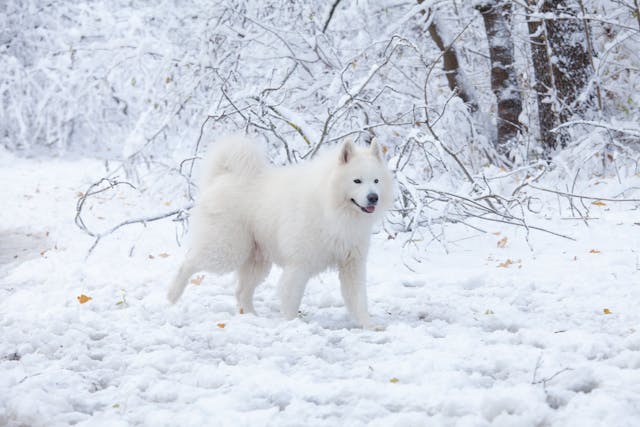
The Samoyed has a profuse double coat, with a longer outer coat of harsh hair and a soft, thick, wooly undercoat. Samoyeds shed quite a bit all the time, even more so during shedding season, which can occur once or twice a year. Daily brushing will help to remove dirt and loose hairs and keep the dog looking his best. Mats or tangles can be worked out with a slicker brush or metal comb. The nails should be trimmed every three to four weeks or as needed.
Exercise:
Samoyeds enjoy being with their people and participating in family activities. They need some daily exercise and enjoy play sessions with their owner in a safely fenced yard or long walks on leash. The breed has a strong urge to run away and roam, and if loose a Sammie might travel for miles, putting himself at risk.
Diet:
The Samoyed should do well on a high-quality dog food, whether commercially manufactured or home-prepared with your veterinarian's supervision and approval. Any diet should be appropriate to the dog's age (puppy, adult, or senior). Some dogs are prone to getting overweight, so watch your dog's calorie consumption and weight level.
Treats can be an important aid in training, but giving too many can cause obesity. Learn about which human foods are safe for dogs, and which are not. Check with your vet if you have any concerns about your dog's weight or diet. Clean, fresh water should be available at all times.
TEXT SOURCE: https://www.akc.org/dog-breeds/samoyed/
Greenland
Diet
Because it’s a medium to a large-sized dog breed, this species should eat a high-quality food diet. Greenland dogs are high-energy breeds; therefore, they need a meal plan that meets their nutrient requirements.
The diet should be measured according to weight, age, and activity levels. If you don’t know how much to feed your pup, you can consult a vet to guide how much food your dog needs.
As a puppy, these dogs should eat about 3-4 meals for up to 6 months. The meal plan should be composed of dry kibble, raw, and homemade food options, with about 25% protein.
As adults, the food portions can be reduced to two or three servings. This spacing of meals is critical because Greenland dogs are highly prone to bloating, which can be fatal.
Apart from protein, the food should also have a balance of minerals, vitamins, fats, and carbohydrates. It’s better to feed your dog commercial food that’s suited for large dog breeds. A well-balanced diet is crucial for the health of your pup.
Grooming:
As an ancient Spitz-type breed, this dog has a thick double coat. The outer layer is made up of long, coarse fur to protect the dog from cold.
Despite having a thick coat, this dog is a moderate shedder and needs little maintenance compared to other breeds. To keep the coat mat-free and without tangles, you should brush it at least 2-3 times a week.
You can opt to use professional grooming services because the fur on the paws should be clipped when it gets too long to prevent it from tangling. These breeds also need a bath every two to three months because they are relatively clean. Bathing your dog too often strips off the natural oils and dries up the skin.
Because of their food intake, they will need regular tooth brushing. You can schedule this grooming activity for two to three times each week. If the nails get too long, it’s best to trim them to keep your pup healthy. When cutting the nails, ensure you don’t cut them so low, which can cause nerve damage and bleeding.
Your Greenland dog also needs a regular ear checkup. Watch out for symptoms such as bad odor, redness, or irritation. Wipe the ears with a damp cloth and a cleaning solution without damaging the internal parts.
Exercise:
Among dog breeds, Greenland dogs are one of the most high-energy dogs. Because of this, they need extensive exercise that tires them out at the end of the day. These dogs need about 2 hours of daily activity, including walking, jogging, or puzzles.
Once you bring this dog breed home, keep in mind that they are sled dogs; therefore, you should be ready to run around with them because they require hours of activity to keep them physically and mentally stimulated. If they are not happy and healthy from exercise, they easily become bored, frustrated, and destructive.
They’ll appreciate engaging in dog sports and brain games because they are intelligent breeds. Therefore, if you need a dog that lazes around the house with a few minutes of exercise, this is not the dog for you.
TEXT SOURCE: https://www.dogster.com/dog-breeds/greenland-dog
Seppala Siberian Sled dog
Grooming:
The Seppala Siberian Sleddog has a beautiful coat that protects them from the icy weather. They are truly beautiful and majestic dogs! However, they do shed that lovely coat twice a year, and when they do, you could stuff a bed with the hair that they shed. So be prepared to brush your dog each day, and leave your vacuum on standby! Apart from that, the Seppala is easy to maintain.
They rarely need a bath, which can be a mission to achieve. If a bath is necessary, use a mild dog shampoo to protect the oily coating on their skin and fur which helps them to withstand the extremes of the weather. Getting them dry on a cool day may need the use of your hair blow dryer! Other than that, just a brush of the teeth, a check of their feet for injury or long toenails, and a flick of a damp cloth in each ear and they are done! They will love the attention and race off to show their buddies how cool they look afterwards.
Exercise:
The Seppala Siberian Sleddogs are superb working dogs, who have a strong pack instinct and need a strong, consistent pack leader (owner) to follow. They love to run and have a high prey drive, often taking off after small game animals.
The Seppala makes an ideal running companion; they have the energy to burn and need to exercise so that they don't develop destructive behavior. Born and bred in the cold climate, they can quickly overheat at high temperatures. Therefore, they are at their best in colder climes and country settings where they can roam and indulge their active nature. If you have a Seppala in a city, be prepared to take your dog on a long walk twice a day (keep that leash on so they don't take off after small animals that they consider prey).
They love games and get on well with children, so you can use playful activity to keep them mentally and physically active. This dog is one who loves company. A Seppala left to their own devices for too long will get bored and howl down the neighborhood!
Diet:
SOURCE: https://wagwalking.com/breed/seppala-siberian-sled-dog